According to the Vegan Society's "Kiss Vegan" campaign:
You don't have to be vegan to love vegan lipstick.
You don't have to be vegan to love vegan trainers.
You don't have to be vegan to love vegan ice cream.
Lipstick isn't just for women, of course. And some women argue that lipstick is "patriarchal BS". And some straight men who don't wear lipstick are probably fascinated by which shade is worn by their female partners.
But still, I would argue that a lot of people really, really are not very interested in lipstick. Even I'm not that interested any more. And I used to be. I do own a pair of vegan trainers and I do like vegan ice cream.
But ... what about people who get their exercise with bare feet (swimming or pilates or yoga) and don't have a sweet tooth and don't wear lipstick?
It seems to me that the "Kiss Vegan" approach is putting the cart before the horse. Or rather, the horse-hair-free sofa ahead of the horse.
15 May 2014

Write On
You've probably heard about Cambridgeshire Police telling a blogger to remove a tweet which criticised UKIP, even though they had to admit that no laws had been broken.
Wow. Imagine how busy I would keep the police if I complained about every single random stranger criticising vegans, greens, burlesque enthusiasts, council home dwellers and so on.
Imagine if I had called the police on Hannah Betts because her article on veganism was both inaccurate and spiteful. But I wouldn't, because I want the police to try to get on with catching criminals, dealing with accidents and notifying people of bad news. It's not an easy job and it's unfortunate that the police officers who behave badly are much more memorable than the polite, professional ones.
It would even take up much police time if I were to call the police on the random internet strangers being gratuitously nasty or making up stuff about me as an individual.
The fact the police took the time to visit the individual tweeter makes me more concerned about the police force than about UKIP. UKIP's thoughts aren't to be taken seriously. The police are meant to be professional. I believe I mentioned something about the police in a post titled "When Manipulative *********s Lie, and Some Police Officers Lap It Up".
Some professional writers of non-fiction do great work. But others just write any old thing in order to get a reaction. And we should use this as inspiration to write elegantly and accurately about the truth.
Somewhere, amid the clutter in my home, I have an old newspaper cutting from the Guardian, headed something like "Green Light Spells Danger". I think it dates from 1990. Formulating and typing up my response as to why this was nonsense and women should vote Green was part of what made me want to write. It wasn't the first thing I had written in the hope it would get published, but it came at the right time.
I also have a cutting which purports to be a review of a book on which a family member worked as a researcher. The reviewer was and is very well-known, but there is no evidence from what she wrote that she read beyond the cover of the book.
And so I plough on, feeling like an underdog. Knowing that there are professional writers out there writing sh1t, sometimes even writing sh1t about sh1t. Yet, paradoxically, I know I am unbelievably lucky to live in the era of the internet, to have access to the internet, to live in a society which more or less has free speech, to be well-educated, to have been taught to type and so much more.
14 May 2014
Un-Renounced
The pictures featuring in this post are not the best picture I have ever taken. Sorry about that. They were inspired by writer Hannah Betts and her mean and inaccurate Telegraph article about veganism.
I took the pictures with my digital camera. (Unlike the old type of camera, it does not use gelatine film.) In the pictures are some of the foods which anti-vegan Hannah Betts wrongly claimed vegans couldn't eat.
As I pointed out in March, Ms Betts did qualify her remarks regarding bread and orange juice. However, she categorically stated that vegans are "obliged to renounce: sugar ... red foods ... sweets, mousses, margarines, peanuts and crisps ... soy cheeses ...beer and wine ... and the medicinal Bloody Mary (Worcestershire sauce)".
No. Eleven times no. Actually, more than that. Mylène Ouellet mentions further inaccuracies in her take on Ms Bett's article. I don't think I can be bothered to count the total. It's a sad reflection on the world that Ms Betts gets paid to write rubbish for a national newspaper.

In the picture. Back row. Bute Island Scheese (smoked cheddar) resting on Bute Island creamy Scheese (spring onion and cracked black pepper) (both certified as vegan by Vegan Society); Biona fish-free Worcestershire Sauce, Biona cola bottles (representing both sweets and sugar) and Biona pomegranate hearts (representing the triumvirate of sweets, sugar and red food - I know, why did I bother buying the cola bottles?); orange juice.
Front row - bread spread with both Scheeses and also with Pure (that's the brand name) sunflower margarine; a stalk of ruby chard again representing redness; crisps; Pudology banoffee dessert, certified by Vegan Society (not quite mousse, but near enough); Pudology strawberry dessert resting on Alpro smooth chocolate dessert.
Pictured separately, 'cos unpacking shopping and preparing food and photographing food and eating food and blogging all at once was a little bit too much multi-tasking for me: salted peanuts. In a bowl I made myself*.
To the very best of my knowledge, all the items pictured are completely vegan.

I could have bought vegan beer and wine, but that would have been a bit pointless as I seldom drink alcohol.
In my fantasy world, Ms Betts would decide to personally visit all vegans to humbly apologise to us. I would be gracious and serve her a banquet of vegan "cheese" and sweets and crisp sandwiches.
* For those who want to know about the pottery, I eschewed both the potter's wheel and the traditional "coil pot". I shaped the clay around a plastic salad bowl from a supermarket.
I took the pictures with my digital camera. (Unlike the old type of camera, it does not use gelatine film.) In the pictures are some of the foods which anti-vegan Hannah Betts wrongly claimed vegans couldn't eat.
As I pointed out in March, Ms Betts did qualify her remarks regarding bread and orange juice. However, she categorically stated that vegans are "obliged to renounce: sugar ... red foods ... sweets, mousses, margarines, peanuts and crisps ... soy cheeses ...beer and wine ... and the medicinal Bloody Mary (Worcestershire sauce)".
No. Eleven times no. Actually, more than that. Mylène Ouellet mentions further inaccuracies in her take on Ms Bett's article. I don't think I can be bothered to count the total. It's a sad reflection on the world that Ms Betts gets paid to write rubbish for a national newspaper.
In the picture. Back row. Bute Island Scheese (smoked cheddar) resting on Bute Island creamy Scheese (spring onion and cracked black pepper) (both certified as vegan by Vegan Society); Biona fish-free Worcestershire Sauce, Biona cola bottles (representing both sweets and sugar) and Biona pomegranate hearts (representing the triumvirate of sweets, sugar and red food - I know, why did I bother buying the cola bottles?); orange juice.
Front row - bread spread with both Scheeses and also with Pure (that's the brand name) sunflower margarine; a stalk of ruby chard again representing redness; crisps; Pudology banoffee dessert, certified by Vegan Society (not quite mousse, but near enough); Pudology strawberry dessert resting on Alpro smooth chocolate dessert.
Pictured separately, 'cos unpacking shopping and preparing food and photographing food and eating food and blogging all at once was a little bit too much multi-tasking for me: salted peanuts. In a bowl I made myself*.
To the very best of my knowledge, all the items pictured are completely vegan.
I could have bought vegan beer and wine, but that would have been a bit pointless as I seldom drink alcohol.
In my fantasy world, Ms Betts would decide to personally visit all vegans to humbly apologise to us. I would be gracious and serve her a banquet of vegan "cheese" and sweets and crisp sandwiches.
* For those who want to know about the pottery, I eschewed both the potter's wheel and the traditional "coil pot". I shaped the clay around a plastic salad bowl from a supermarket.
I like Nice Stuff

Don't get me wrong. I like delicious convenience food and pretty cosmetics and lots of other things. I think I'm a bit lazy and rather materialistic. Possibly vain. But I don't want to be a non-vegan. I don't want to use animals. I don't want to knowingly consume products with animal ingredients just because the products are attractive or tasty.
If the respective manufacturers decided, for some inexplicable reason, to stop making vegan ice cream and lipstick and all the other things the Vegan Society now adores, I would still be vegan. It might be tough, but heck, the original founders of the Vegan Society were having to cope with World War 2 going on and far fewer luxuries. They had rationing! As well as the stress of the war.
Even these days, there are people coping with far harder things every day than a few treats being unavailable.
13 May 2014

Lipstick Vegans
Today, I looked at the Vegan Society home page. And they still have the nonsensical phrase:
"It’s not just vegans who love vegan living. It’s for everyone." As I explained last month, no, unless you are an actual vegan, you are not experiencing vegan living. Vegan living includes enjoying delicious food and lovely clothes, but also some inconvenience at times. And you do become a bit of an expert in trying not to kill insects.
"We're about to rock your world with mind-blowing vegan food!" I suggested "onion tart" and the search function located a recipe for sweet potato, sage and onion tart. Fortunately, they have heeded some advice and there is a picture accompanying the recipe.
I like potatoes and onions and tarts/pies/pasties very much, but maybe describing them as mind-blowing or world-rocking is over ... no, not over-egging the pudding.
It's over-stating the case.
It's hyperbole.
I would be devastated if I lost my sense of taste. Not as anxious as I would be without sight, but bereft of much pleasure. I enjoy food very much and I am happy at the prospect of remaining vegan for the rest of my life. But I'm not sure that I've ever (including my time as a non-vegan) tasted food which was "mind-blowing".
But maybe I am over-reacting. Alas, there are other things wrong with the newly redesigned Vegan Society site.
"Why Go Vegan?" they ask.
"Healthier, greener, kinder to animals and to our planet's future," they answer.
Yes, that's right. The whole section on why to go vegan begins with "It's healthier". Followed by: "More and more people are turning to a vegan diet for the health benefits: increased energy, younger looking skin, eternal youth; just some of the claims from enthusiastic plant eaters! Well, eternal youth might be a bit optimistic but there are certainly many scientifically-proven benefits to a vegan diet."
(Could this get any cornier?)
I don't dispute the line "Well-planned plant-based diets are rich in protein, iron, calcium and other essential vitamins and minerals". But it would be very easy to "devise" an equally nutrient-rich meal which also included animal ingredients. And unless people are committed to avoiding animal use, they have no incentive to go vegan.
Later, we read "Plus, you'll be ready for the Moon and Mars, as these future human colonies will be completely vegan due to the meagre resources on those worlds!"

Memo to Vegan Society. You're meant to be making veganism sound more accessible to ordinary people. Who are mostly not astronauts.
The most baffling thing is the "Kiss Vegan" section. This claims, "You don't have to be vegan to love vegan lipstick." True, but, and I think the next bit deserves capitals:
If you're not committed to avoiding animal use, you may love vegan lipstick, but you have no incentive to avoid buying non-vegan lipstick.
Maybe a cheap brand from a market stall, or an expensive brand allegedly worn by a celebrity. Maybe you just love a particular non-vegan brand more than any other lipstick in the whole world.
Either way, unless you are committed to avoiding animal use, you have no incentive whatsoever to avoid cochineal or collagen or beeswax.
It also says that vegan ice cream and trainers are things you can love without being vegan. And indeed that is so. But, again, if you have no commitment to avoiding animal use, why would you go out of your way to buy vegan things?
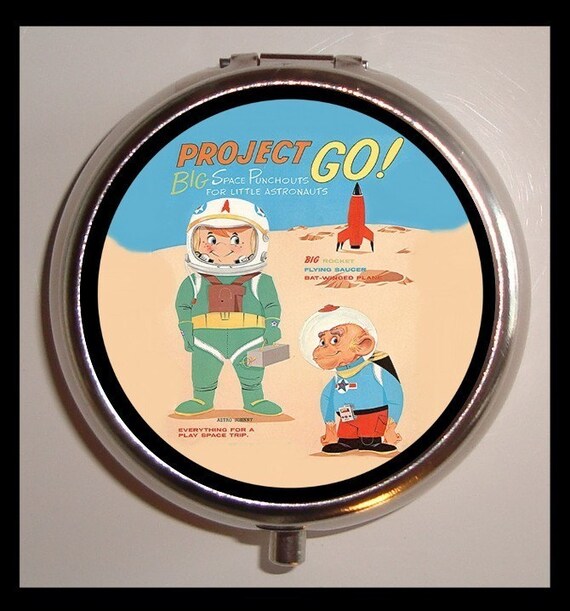
[Note: the illustration is based on this picture, which came up when I searched for "kitsch astronaut".]
"It’s not just vegans who love vegan living. It’s for everyone." As I explained last month, no, unless you are an actual vegan, you are not experiencing vegan living. Vegan living includes enjoying delicious food and lovely clothes, but also some inconvenience at times. And you do become a bit of an expert in trying not to kill insects.
"We're about to rock your world with mind-blowing vegan food!" I suggested "onion tart" and the search function located a recipe for sweet potato, sage and onion tart. Fortunately, they have heeded some advice and there is a picture accompanying the recipe.
I like potatoes and onions and tarts/pies/pasties very much, but maybe describing them as mind-blowing or world-rocking is over ... no, not over-egging the pudding.
It's over-stating the case.
It's hyperbole.
I would be devastated if I lost my sense of taste. Not as anxious as I would be without sight, but bereft of much pleasure. I enjoy food very much and I am happy at the prospect of remaining vegan for the rest of my life. But I'm not sure that I've ever (including my time as a non-vegan) tasted food which was "mind-blowing".
But maybe I am over-reacting. Alas, there are other things wrong with the newly redesigned Vegan Society site.
"Why Go Vegan?" they ask.
"Healthier, greener, kinder to animals and to our planet's future," they answer.
Yes, that's right. The whole section on why to go vegan begins with "It's healthier". Followed by: "More and more people are turning to a vegan diet for the health benefits: increased energy, younger looking skin, eternal youth; just some of the claims from enthusiastic plant eaters! Well, eternal youth might be a bit optimistic but there are certainly many scientifically-proven benefits to a vegan diet."
(Could this get any cornier?)
I don't dispute the line "Well-planned plant-based diets are rich in protein, iron, calcium and other essential vitamins and minerals". But it would be very easy to "devise" an equally nutrient-rich meal which also included animal ingredients. And unless people are committed to avoiding animal use, they have no incentive to go vegan.
Later, we read "Plus, you'll be ready for the Moon and Mars, as these future human colonies will be completely vegan due to the meagre resources on those worlds!"
Memo to Vegan Society. You're meant to be making veganism sound more accessible to ordinary people. Who are mostly not astronauts.
The most baffling thing is the "Kiss Vegan" section. This claims, "You don't have to be vegan to love vegan lipstick." True, but, and I think the next bit deserves capitals:
If you're not committed to avoiding animal use, you may love vegan lipstick, but you have no incentive to avoid buying non-vegan lipstick.
Maybe a cheap brand from a market stall, or an expensive brand allegedly worn by a celebrity. Maybe you just love a particular non-vegan brand more than any other lipstick in the whole world.
Either way, unless you are committed to avoiding animal use, you have no incentive whatsoever to avoid cochineal or collagen or beeswax.
It also says that vegan ice cream and trainers are things you can love without being vegan. And indeed that is so. But, again, if you have no commitment to avoiding animal use, why would you go out of your way to buy vegan things?
[Note: the illustration is based on this picture, which came up when I searched for "kitsch astronaut".]
Talking of Statistics ...

The 5th anniversary of my very first blog post will be a week from now. 20th May 2009. Happy almost-anniversary to me! Alas, I still have not tried to veganise angel cake. Give me another demi-decade of decadence and I may have got round to it.
I also cheated by adding the accompanying picture (of a snow angel) months later. I don't do that now. It was only during that vague period of time known as Christmas-time 2009/New Year-ish 2010 that I realised that the blog needed more pictures. Sometimes, however, I do go back and change spelling or punctuation marks without noting that an edit has taken place.
According to blogger.com's statistics, however, this blog was generating page views even before it existed. I'm not sure what those alleged 1,082 views were of, during August 2007, but they cannot have been of a blog which I hadn't even intended to create.
I have been teaching my maths pupil about averages (mean, median and mode). As I hope I explained to her, statistics can mislead, even if correctly used, but these are the most inaccurate ones I have ever seen. Shame on you, blogger!
11 May 2014
The Killing (Part 3)
Just a couple of days ago, I said that if I could go back and re-do my life, I would study statistics and criminology. Now I'm not so sure I'd have enjoyed that, but it would have come in useful ...
Someone named Mark/@tazcat2011 helpfully suggested that the statistics I was using re homicides in UK and USA were misleading because "We count bodies, you count convictions".
He quoted from this document, produced by the Crime Prevention Research Center, in which John R Lott argues that "homicide numbers [for England and Wales] exclude any cases which do not result in conviction, or where the person is not prosecuted on grounds of self defence or otherwise'".
(Note that the 2012 adjusted figure for homicides in the USA, 2.26 per 100,000, is higher than the homicide rate in the UK [edit: in any year] over the whole time period under discussion. Why the English/Welsh figures are shown in homicides per million people and the US figures in terms of homicides per hundred thousand people is not clear to me. Surely this was not done to confuse the casual observer into thinking that the figures for England and Wales were ten times as high as they really were?)
If we look at Parliament Research Paper 99/56 (27 May 1999 Homicide Statistics), we do find the statement:
"Around 15% of homicides as recorded by the police are generally reclassified as other offences following police and court action."
To a certain extent, that is understandable. If it is found that a person killed in self-defence, or that they were careless or violent but not to the extent of being guilty of manslaughter, how can those fatally affected by their actions truly be seen as victims of homicide?
The time period covers in Lott's article shows the homicide rate in the UK never rose above 18.0 per million during the time period in question (1990 to 2011). That's 1.8 per 100,000. If we assume that this figure is only 85% of what it should be, that would make the non-adjusted figure 2.12 per 100,000 people (to 2 decimal places). Lower than the 2.26 which Lott insists would be the adjusted figure for the USA.
I'm not sure why I'm even comparing the British figure to the adjusted US figure of 2.26 homicides per 100,000 people. As Lott's article pointed out "in 2012, the US murder rate was 4.7 per 100,000, a total of 14,827. Arrests amounted to only 7,133. Using only people who were arrested (not just convicted) would lower the US murder rate to 2.26 per 100,000". As we will see, Lott was misinformed when he stated that the homicide statistics in England and Wales only count deaths where there has been a conviction for murder or manslaughter.
It is clear that a conviction is not a necessary part of determining whether a death is due to homicide or not.
Take, for example, this BBC news report from 2012
headed "Crime data: Homicide at 30-year England and Wales low". Its figures are drawn from the Office of National Statistics.
The table clearly states that the 52 victims of the bombings of 7 July 2005 ("the 7/7 bombings") are included as homicides recorded by police, although the suspects were killed in the bombings and hence, by definition, could not be arrested or convicted.
What are we to make of Mark/@tazcat2011's claim that, because of the UK's stricter gun laws, "your country has gotten more dangerous"?
The Daily Telegraph reported in 2012 that the murder rate had fallen across England and Wales. Cal Flyn wrote, "Annual crime figures show that the homicide rate has fallen steeply over the last decade, from a high in 2002" attributed to a single suspect.
In October 2013, the same paper noted that homicides were at a record low in Scotland.
Clearly, as Mark/@Tazcat2011 points out, the UK is not a Utopia. The Telegraph article on Scotland shows that there is much to be done in terms of tackling substance abuse, domestic violence and knife crime.
Straw Woman, Dressed up

An on-line acquaintance said something dismissive about burlesque on twitter. I politely suggested, and I quote:
My attempt to tell her how insulting this was have not been acknowledged. I cannot find the tweets now, so I can't take this further.
But at least she wasn't trying to pretend I didn't enjoy burlesque.

"I'm not suggesting u participate in it, just maybe take into account those of us for whom burlesque has boosted confidence."
Her reply almost made my jaw drop. It was so breath-takingly insulting and such a bad analogy. It was:
"starring in a best selling hardcore rape porn might boost confidence too but that doesn't make it feminist."
My attempt to tell her how insulting this was have not been acknowledged. I cannot find the tweets now, so I can't take this further.
But at least she wasn't trying to pretend I didn't enjoy burlesque.

Subscribe to:
Posts (Atom)